Interior Design
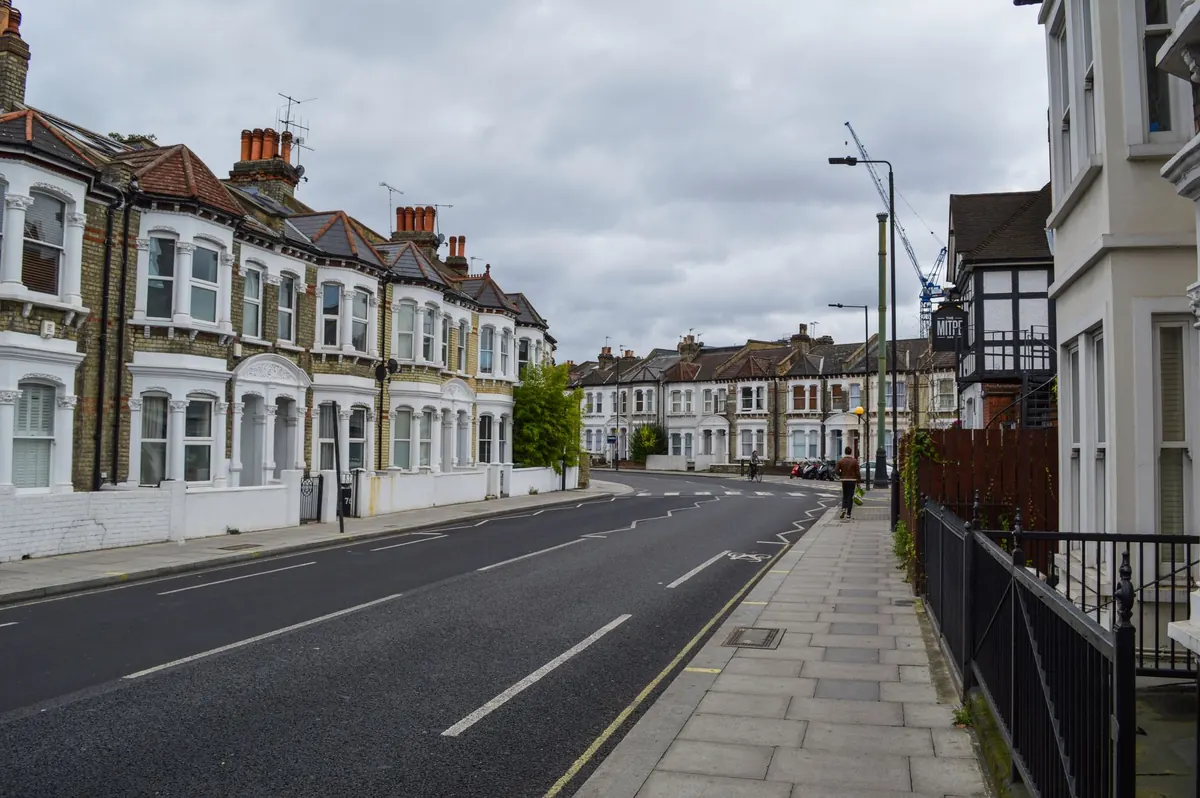
Victorian Terrace Decorating Guide: How to Honour Original Features Without Feeling Like a Museum
Victorian terraces are the backbone of British towns. Built in their thousands between roughly 1840 and 1900, they gave us high ceilings, bay windows, sash frames, a fireplace in almost every room and hallways narrow enough to make a piano delivery memorable. Decorate one badly and it becomes a stage set: roped-off, dusty, faintly chilly. Decorate it well and you get something rarer — a house with real character that still works on a wet Tuesday in February.
The trick is not restoration for its own sake. It is knowing which features earn their keep, which ones you can improve without guilt, and where modern comfort quietly does the heavy lifting.
Take Stock Before You Spend
Before you choose a single colour, walk the house with a notebook and a torch. Victorian terraces were built to a pattern, but they have had a century and a half of owners making changes, and you need to know what you are actually working with.
- Joinery: skirting, architraves, dado rails, picture rails, four-panel doors and their brass or iron furniture.
- Plasterwork: cornices, ceiling roses, corbels and any decorative plaster you can still make out under paint.
- Fireplaces: cast-iron inserts, slate or marble surrounds, tiled cheeks and hearths, plus the chimney behind them.
- Floors: original boards, encaustic tiles in the hall, quarry tiles in the scullery end of the kitchen.
- Windows: sashes, their weights and cords, and any surviving shutters folded into the reveals.
Then apply one sensible rule: repair before you replace. Sash windows can be overhauled, draught-proofed and fitted with slim secondary glazing for a fraction of the cost and disruption of replacements. Lath and plaster can be patched with lime, which lets walls breathe; filling old walls with modern gypsum can trap moisture and cause problems elsewhere.
Anything added in the 1970s or 1980s — swirly ceilings, boxed-in pipes, dado panelling made from hardboard, a fireplace ripped out and replaced with a gas fire in a stone-effect surround — can go without ceremony. You are not obliged to be loyal to someone else's bad week in 1978.
Colour, Light and Where to Put It
Victorian rooms were designed to be dim and layered: gaslight, heavy curtains, dark walls in the reception rooms. You do not need to recreate that, but you can borrow its logic. Depth on the walls, light on the ceiling, and plenty of contrast in between.
Hall and stairs
Halls are usually narrow and starved of daylight, so this is the one place to be brave. A strong colour — deep green, oxblood, a slate blue — makes a cramped space feel intentional rather than accidental. Keep the ceiling and the underside of the stairs lighter, and paint the stair spindles and handrail in the same family so the eye travels upward.
Living rooms
Paint the chimney breast in your chosen colour and take the alcoves a couple of shades paler, or wrap the whole room in one shade and let the cornice and skirting do the dividing. Buy sample pots, paint them onto lining paper rather than the wall, and move the sheets around the room through the day. Victorian rooms face in every direction, and a colour that glows in a south-facing bay can turn to sludge in a north-facing one.
Do not paint over mouldings with the same dead flat finish as the walls. An eggshell or satin on the woodwork against a matt wall makes even plain skirting look considered.
Room by Room: Front Room, Dining Room, Bedrooms
The front room
Let the fireplace lead. Arrange seating around it rather than aiming everything at a television, and put the television where it can be ignored — inside an alcove cupboard, or on a wall opposite the fire if the room is long enough. Alcove shelving should be shallow: around 20cm deep is enough for books and far kinder to a narrow room than a 35cm carcass. Take it up to picture-rail height and paint it the same colour as the wall so it recedes.
The dining room
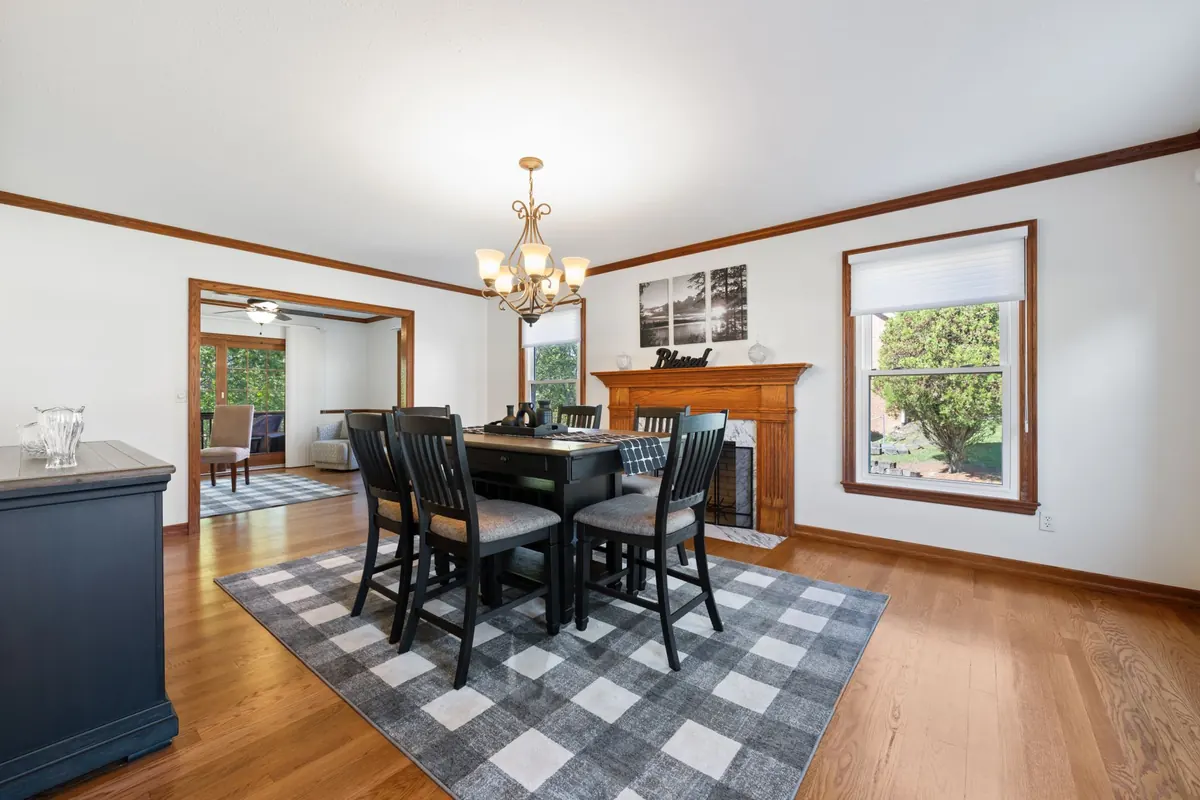
If your dining room has been knocked through to the kitchen, keep a nod to its old purpose with a tiled hearth, a wall-hung plate rack or a bench built into an alcove. A second fireplace used as a candle shelf is perfectly acceptable. If the room is now a study or a playroom, the same principles apply: use the strong architectural points as anchors and keep the rest plain.
Bedrooms
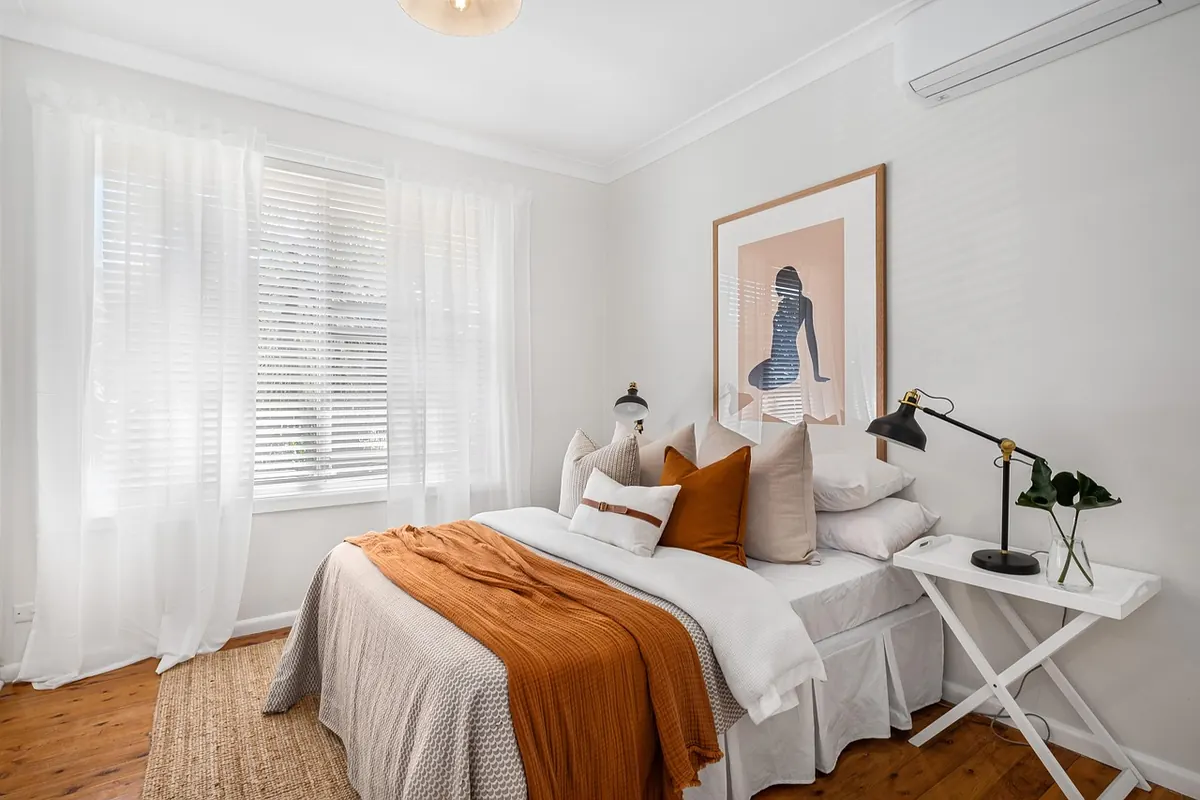
Bedrooms are where you can go softest. Darker walls with a lighter ceiling, a low bed below the window, and shutters or a roman blind rather than full curtains where the window is small. If you are insulating a loft or adding a bedroom under the eaves, keep the reveal around the window deep — it is one of the details that makes period rooms feel calm.
Kitchens and Bathrooms: Modern Rooms in an Old Shell
These two rooms have to work hardest and forgive least. Aim for a kitchen that fits the proportions of the house rather than a showroom. Plain shaker doors, a butler sink, cupboards that stop short of the ceiling with a simple cornice, and a floor tile pattern that echoes the hall all read as period without pretending to be original. A good extractor and a proper layout matter far more than a heritage tap.
Bathrooms are the reverse problem: high ceilings mean heat vanishes and pipes run cold. A freestanding bath can look wonderful against a chimney breast, but plan the shower round modern needs — a thermostatic valve, decent pressure, underfloor heating or a well-placed radiator, and an extractor on a humidistat. Brass and chrome both work; just be consistent within one room.
Any structural work — removing a chimney breast, knocking through a load-bearing wall, altering a party wall — needs proper advice and, in most cases, building regulations approval. If your terrace sits in a conservation area or is listed, check with your local authority's conservation officer before you start. It is far cheaper to ask first.
Comfort and Detail: Heating, Lighting, Storage
Character survives contact with thermal underwear only for so long. Sort out the basics and the rest becomes enjoyable rather than a compromise.
- Draughts: brush seals on sash windows and doors, a chimney balloon in an unused flue, and a curtain or blind at the front door.
- Heat: cast-iron radiators suit period rooms and hold heat well. Position them under windows, and consider a small one in the hall so the house does not feel cold the moment you step inside.
- Light: never rely on a single pendant. Layer a ceiling fitting with wall lights, a floor lamp by the fire and a picture light above a mantel. Dimmer switches and warm bulbs transform a dark room more than any paint colour.
- Storage: use alcoves and the space either side of chimney breasts for fitted cupboards, and keep anything free-standing low enough to leave the picture rail visible.
A period house looks best when it looks lived in: worn boards, a chair pulled up to the fire, books stacked where the shelves ran out.
Living in It, Not Curating It
Work in the right order and you will save yourself a great deal of money. Deal with damp, roof and drainage first. Then electrics and plumbing. Then windows, plaster and joinery. Only then decorate, and only then buy furniture. Rushing to the fun part while water is still finding its way in is how beautiful rooms end up back at square one.
- Repair and draught-proof what is already there.
- Fix services and ventilation.
- Decorate one room fully before starting the next.
- Furnish slowly, with pieces that suit the room's proportions.
- Leave room for the house to tell you what it wants.
Original features are worth keeping because they give a room a sense of scale and history that no amount of new plasterwork can fake. But a house is not an exhibit. Paint the cornice, put the kettle on the hearth, let the floorboards creak. The most convincing Victorian interiors are simply comfortable ones that happen to be old.
Photo: Gotta Be Worth It / Pexels
Related Articles