Organization
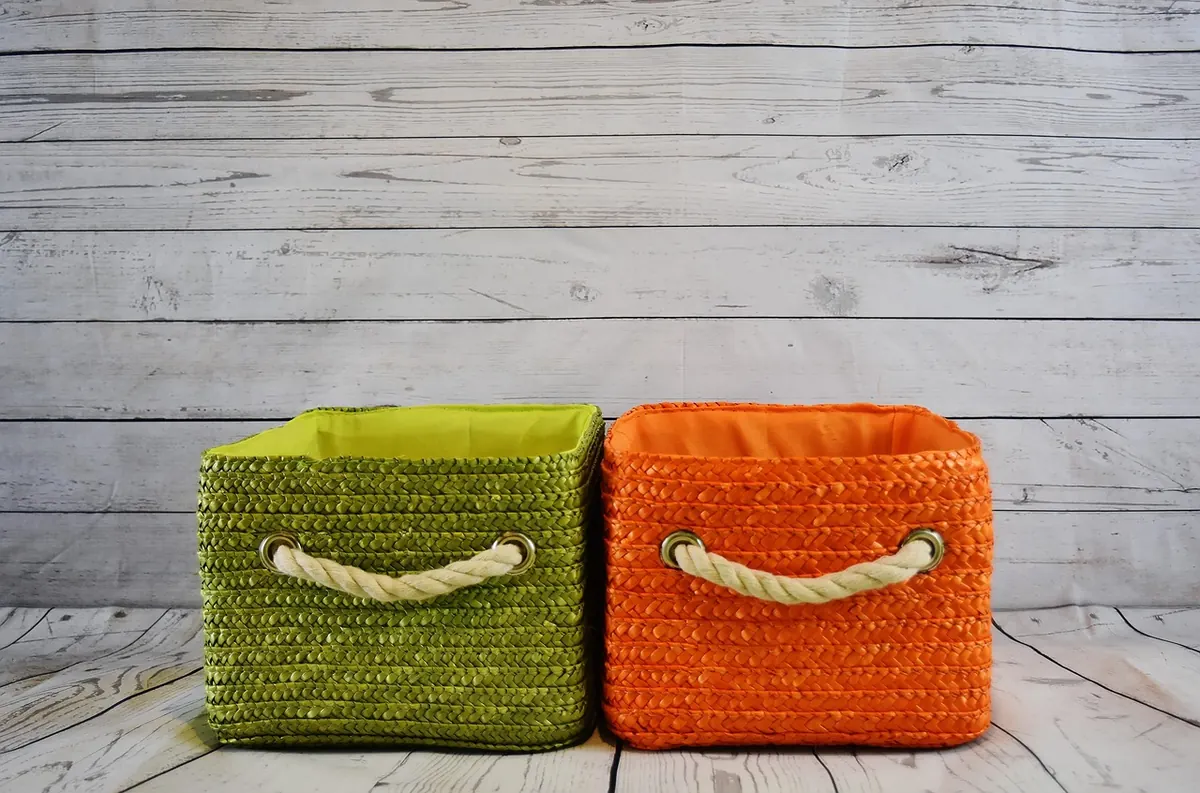
How to Organise a Narrow UK Hallway: 10 Space-Saving Ideas That Actually Work
UK hallways are rarely generous. In a Victorian terrace you might have a corridor barely a metre wide, with a radiator on one side and the front door swinging into the other. In a newer build, the entrance hall is often just a square of laminate between the stairs and a downstairs loo. Neither is a design disaster — they simply need a plan that respects the space you actually have.
Decide what the hallway is for before you buy a single basket. For most households it does three jobs: it lands shoes and coats, it moves people through to the rest of the house, and it makes a first impression. Everything below is aimed at those three jobs.
1. Start with a clear-out, not a shopping trip
Empty the hallway completely. Put everything on a sheet in the living room and sort it into four piles: worn daily, worn weekly, seasonal, and gone. The gone pile is usually bigger than expected — odd gloves, umbrellas with broken spokes, shoes that pinch.
Then ask what genuinely has to live by the front door. School bags, dog leads and keys do. A spare duvet, wellies used one muddy weekend a year and a coat worn twice a winter do not. Move them to a wardrobe, a loft or an under-bed box. Every item you relocate buys back floor space.
2. Go vertical before you go shopping
Floor space is the scarcest thing in a narrow hall, so treat it as a last resort. Walls are free real estate.
- Staggered hooks at different heights — roughly 170cm for adults, 110cm for children — so coats overlap rather than sit side by side.
- A shelf above the door for boxes of gloves, hats and shopping bags, provided the door does not swing against that wall.
- A tall, shallow cabinet around 25–30cm deep, which holds far more than a bulky console table ever will.
- Over-door hooks on the inside for a dressing gown or reusable bag, though these can stop a door closing if the frame is tight.
- A wall-mounted rail with clip-on hangers for umbrellas and leads.
Check head height before anything goes up. Nothing is more irritating than a shelf you duck under every morning.
3. Shoe storage that suits the width you have
Measure the gap between the wall and the door frame in centimetres — not by eye — then shop to that number.
If you have 30cm
A tilt-out shoe cabinet or a shallow bench with shoe slots underneath. Both keep shoes off the floor and give you somewhere to sit, which matters when you are pulling on boots.
If you have 15cm
Stacking boxes or a slim rack mounted on the wall, two or three tiers high. Rotate: current shoes at the bottom, out-of-season pairs at the top.
If you have nothing spare
A boot tray or lidded basket tucked under a bench, or the bulk of the shoes in the under-stairs cupboard with a small daily tray by the door. A tray sounds fussy, but it stops grit travelling into the hall and gives wet shoes somewhere to drip.
4. Solve coats, keys and post in one zone
Concentrate the everyday clutter in one square metre rather than spreading it along the length of the hall. A narrow bench, a row of hooks above it, a small tray for keys and a letter rack give you a complete landing zone.
Give each person their own hook where you can, and put them at their own height — children who can reach a hook use it. Keep the post in one place, a wall file or shallow basket, and empty it weekly. Paper is the fastest thing to overwhelm a narrow hallway.
5. Visual tricks that make the space feel wider
None of these change the dimensions, but together they change how the hall reads.
- Hang a mirror on the longest wall rather than the one facing the front door. It bounces light and adds depth without taking up floor space.
- Run flooring lengthways. Boards, tiles and runners all lead the eye down the hall instead of across it.
- Paint walls, ceiling and doors in related tones. A continuous colour blurs the edges of the space; heavy contrast chops it into sections.
- Choose a long, narrow runner rather than a small square rug, and leave a visible strip of floor at each side.
- Light the far end of the hall as well as the middle. A small lamp on a shelf or a wall light draws the eye forward.
- Keep the top of any cabinet clear. A tidy surface reads as calm; a pile of post and keys reads as clutter.
A radiator can eat most of one wall. If it is rarely used, a slimmer replacement may free up surprising clearance — ask a qualified heating engineer before changing anything on the system.
6. Keep the floor clear with a five-minute reset
The best storage system fails if it needs fifteen minutes of tidying. Aim for a routine that takes less than five. When you come in: shoes onto the tray, coat on the hook, bag on its peg, post in the basket. Once a week, carry the accumulated paper upstairs and return anything that has drifted in from other rooms.
A stair basket is a useful compromise — one basket at the bottom of the stairs that travels up with you each evening. And keep a boot tray by the door through winter; it contains mud and water with no effort at all.
A hallway that earns its space
Clear out first, then measure, then buy. In a narrow hall, one well-chosen piece beats five clever-looking ones, and a clear metre of walking space matters more than any shelf. Warm lighting, a mirror and a proper home for your keys will do more for how the entrance feels than a full redesign — and you can sort all three this weekend.
Photo: Alexas_Fotos / Pixabay
Related Articles